
TL;DR
To make a successful water leak insurance claim in Australia, you need to document the damage before any repairs, notify your insurer promptly, and obtain a professional leak detection report that identifies the source. Sudden damage is usually covered. Gradual leaks are usually not. A clear, written detection report significantly strengthens your claim.
In This Guide
A hidden water leak is stressful enough on its own. Then comes the question of whether your insurer will cover the damage. Many Australian homeowners are surprised to find that some leak-related damage is covered, some is not, and how you handle the claim process from the first hour can determine whether it succeeds.
This step-by-step guide explains how to make a successful water leak insurance claim in Australia, what documentation your insurer needs, and why a professional leak detection report is one of the most important pieces of evidence you can provide.
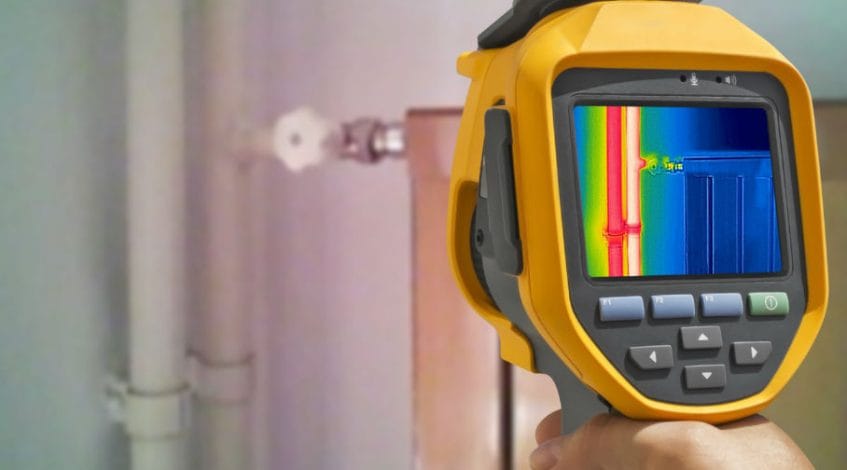
A professional detection report provides the evidence your insurer needs to assess a water leak claim.
Does Home and Contents Insurance Cover Water Leaks?
The answer is: it depends on the type of damage and how it occurred. Most Australian home and contents insurance policies distinguish between sudden, accidental water damage and gradual water damage caused by slow seepage over time.
What Is Usually Covered
| Type of Damage | Typically Covered? | Notes |
|---|---|---|
| Sudden burst pipe causing flooding | Usually yes | Must be reported and claimed promptly |
| Accidental damage from a one-off event | Usually yes | Documentation of the event is essential |
| Damage to contents from sudden water ingress | Depends on policy | Contents cover must be held separately in most cases |
| Gradual seepage or slow leak over time | Usually no | Most policies exclude damage that builds up over weeks or months |
| Damage due to lack of maintenance | Usually no | Insurers expect homeowners to maintain their property |
| Hidden pipe leak inside a wall (sudden failure) | Often yes, if sudden | A professional report establishing the nature of the failure helps significantly |
The Difference Between Sudden Damage and Gradual Leaks
This is where many claims are rejected. Insurers typically cover sudden, unexpected events, such as a pipe that bursts overnight. They typically exclude damage that results from a slow, ongoing leak that a homeowner could have detected and repaired earlier.
If your water bill has been rising for six months and you have a damp patch on the wall, an insurer may argue that the damage was gradual and therefore not covered. This is one reason why acting quickly when you first notice a problem, and getting a professional leak detection report early, can make the difference between a successful and rejected claim.
How to Determine If Your Damage Is Claimable
Before calling your insurer, do a quick assessment:
- Was the damage caused by a single, sudden event (burst pipe, failed joint, appliance failure)?
- Is there evidence the leak was recent rather than ongoing?
- Have you maintained the property and not ignored earlier warning signs?
- Does your policy include accidental water damage as a named event?
If the answer to these questions is generally yes, your damage is more likely to be claimable. The next step is to document everything and notify your insurer quickly.
Step-by-Step: How to Lodge a Water Leak Insurance Claim
- Document before you fix anything. Take photographs and video of all visible damage before any repairs or clean-up begin. Capture water stains, damaged flooring, damp walls, affected furniture, and the visible extent of the water. If you have to remove items to prevent further damage, photograph them first and keep a written inventory.
- Notify your insurer immediately. Most policies require you to notify your insurer “as soon as reasonably practicable” after a loss. Call the claims line, note the claim reference number, and confirm whether an assessor will attend the property.
- Get a professional leak detection report. This step is critical and is often missed. A professional leak detection report from a licensed specialist identifies the source of the leak, the type of pipe failure, and the extent of the damage. VIC Leak Detection provides written reports for all jobs, accepted by insurance assessors across Melbourne.
- Submit your claim with full documentation. Attach everything: photographs, your detection report, receipts for emergency repairs, quotes for rectification work, and a list of damaged contents. Incomplete documentation is one of the most common reasons claims are delayed.
- Follow up and track progress. Keep a record of every communication with your insurer: who you spoke to, the date, and what was agreed. Ask for any decisions in writing.
Need a detection report for your insurer? VIC Leak Detection provides detailed written reports that document the source and location of your water leak. Our reports are accepted by insurance assessors and give you the evidence you need to proceed with your claim.
What Documentation Does Your Insurer Need?
- Photographs and video of all damage taken before any clean-up or repairs
- Professional leak detection report identifying the source and type of failure
- Written quotes from licensed plumbers or builders for the repair and rectification work
- Receipts for any emergency repairs you authorised to prevent further damage
- Itemised list of damaged contents with purchase dates and estimated values
- Copies of previous water bills showing any unusual increase
- Any previous maintenance records or receipts relevant to the pipe or area that failed
- Your policy number and the claim reference number from your initial notification call

Gathering your policy details and documentation is a critical step in lodging a water leak claim.
Why a Professional Detection Report Strengthens Your Claim
An insurer’s assessor will want to establish two things: what caused the damage, and whether it is covered under the policy. A professional leak detection report does most of that work for them.
- The exact location of the leak (marked on a diagram where relevant)
- The type of pipe failure (burst, corrosion, failed joint, etc.)
- The detection methods used and findings at each stage
- Photographic evidence captured during the inspection
- A clear recommendation for the repair
This gives the assessor objective, third-party evidence from a licensed specialist. For cases involving pipe leak detection in Melbourne, the report satisfies the assessor’s need for a technical evaluation from a qualified specialist, not just a homeowner’s description of visible damage.
What If Your Claim Is Rejected?
- Request a detailed written reason for the rejection from your insurer.
- Review the policy wording carefully against the stated reason.
- Lodge a complaint with the insurer’s internal dispute resolution process first.
- Escalate to AFCA (Australian Financial Complaints Authority) if internal dispute resolution does not resolve the matter. It is a free external dispute resolution service.
- Seek independent advice from a financial counsellor or insurance specialist if the claim amount is significant.
For context on responsibility with utility infrastructure, see our post on who pays for a gas leak at the meter in Melbourne.
Why Melbourne Homeowners Choose VIC Leak Detection
| What Sets Us Apart | What It Means For You |
|---|---|
| Licensed Specialists | Fully licensed and insured technicians with experience across residential, commercial, and strata properties in Melbourne. |
| Written Reports | Every job includes a professional written report documenting the source, location, and method of detection. Accepted by insurance assessors. |
| Non-Invasive Methods | We use acoustic sensors, thermal imaging, and pressure testing to locate leaks without causing unnecessary damage to your property. |
| Money-Back Guarantee | If we do not find the leak, you do not pay. Upfront, transparent pricing with no hidden fees. |
FAQ: Water Leak Insurance Claims in Australia
Does home insurance cover water leaks in Australia?
Most home and contents insurance policies in Australia cover sudden, accidental water damage, such as a burst pipe or failed appliance connection. Gradual leaks that develop over time are usually excluded. Always check your specific policy wording, as coverage varies between providers.
How long do I have to make a water damage insurance claim?
Most policies require you to notify your insurer “as soon as reasonably practicable” after the damage occurs. Delays can give an insurer grounds to reduce or reject the claim. Notify your insurer as quickly as possible.
Can a plumber’s report be used for an insurance claim?
A plumber’s invoice documents what was repaired but does not typically identify the source of a leak with the technical detail an assessor needs. A professional leak detection report from VIC Leak Detection identifies the exact leak source, the type of failure, and the detection methods used.
Does insurance cover gradual water damage?
In most cases, no. Australian insurance policies typically exclude damage from gradual seepage or long-term moisture ingress. A professional detection report can help establish a hidden leak was not reasonably detectable in disputed cases.
What evidence do I need for a water leak claim?
You need photographs of the damage taken before repairs, a professional leak detection report identifying the source, repair quotes from licensed tradespeople, and copies of any previous water bills showing unusual increases.
Who assesses water damage for an insurance claim?
For significant claims, your insurer will send a loss assessor or building inspector. A professional leak detection report from a licensed specialist carries significant weight because it provides independent technical evidence.
Can I make a claim for a hidden pipe leak?
Yes, in many cases. If a pipe hidden inside a wall, under a floor, or beneath a concrete slab fails suddenly and causes damage, that damage is often covered as an accidental loss. A professional detection report that identifies the type of pipe failure supports your claim.
Get the Report Your Insurer Needs
Call VIC Leak Detection today. We locate the source, document everything, and provide a professional written report so you can proceed with your insurance claim with confidence. We find the leak or your money back. All Melbourne suburbs covered.
Call 1300 583 595
Request a Report
We find the leak or your money back. Upfront pricing. No hidden fees.