
Damp walls can be frustrating, especially when you are not sure where the moisture is coming from. In many homes, damp patches near the floor are quickly blamed on rising damp. But in some cases, the real issue may be a hidden water leak, poor drainage, roof water entering the wall, or moisture trapped behind the surface.
Rising damp and water leaks can look very similar. Both can cause peeling paint, mould, musty smells, wet skirting boards and stains on walls. The important difference is where the moisture is coming from.
Rising damp usually starts from the ground and moves upward through the wall, while a water leak comes from a pipe, roof, bathroom, drain, gutter or another water source.
At Vic Leak Detection, we help homeowners and businesses across Melbourne find hidden leaks before they cause more damage. Using non-invasive leak detection methods, the team can check whether damp walls are caused by an active leak, water ingress or another moisture issue.
What Is Rising Damp?
Rising damp happens when moisture from the ground travels upward through porous building materials such as brick, stone, mortar or concrete. This usually occurs when a home does not have a working damp-proof course, or when the existing damp-proof barrier has failed or been bridged.
A damp-proof course is designed to stop ground moisture from moving into the wall. When it is damaged, missing or no longer effective, moisture can rise from the ground into the lower section of the wall.
Rising damp is most common in older homes, but it can also happen in newer properties if drainage, ground levels or waterproofing have not been managed properly.
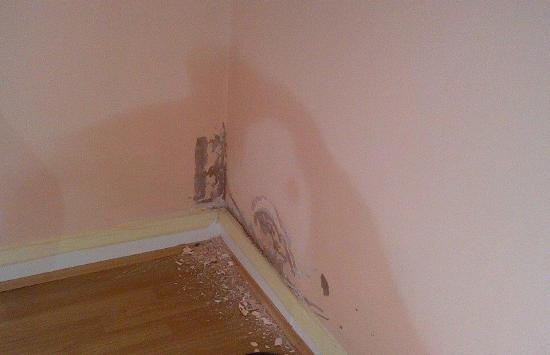
Common signs of rising damp include damp patches close to the floor, peeling paint, bubbling plaster, damaged skirting boards, salt marks and a musty smell in affected rooms.
What Is a Water Leak?
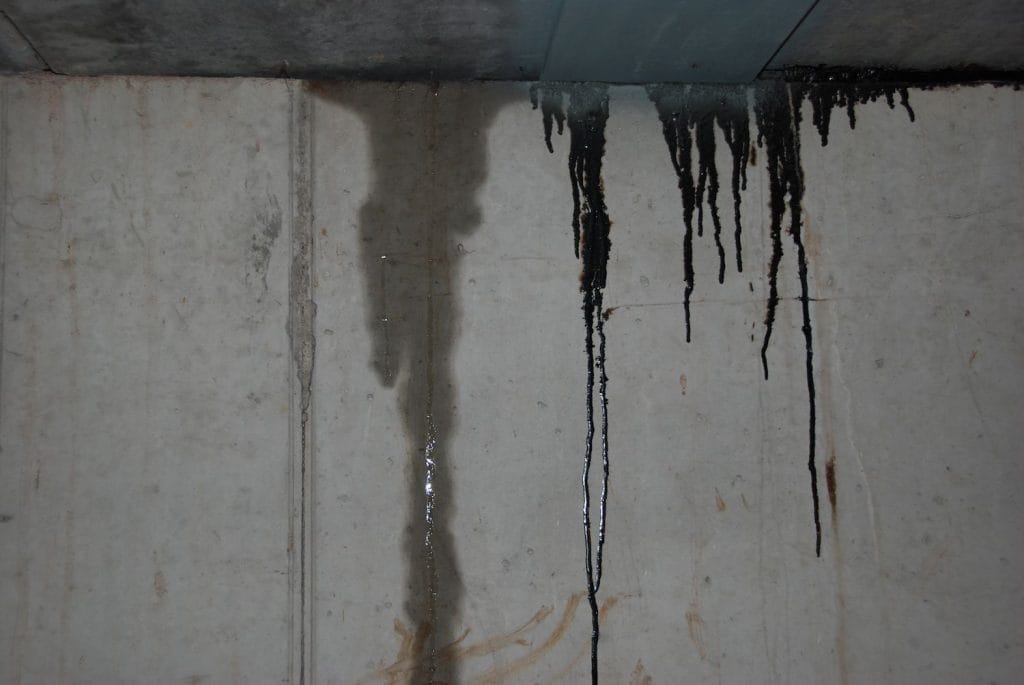
A water leak happens when water escapes from a plumbing system, roof, gutter, drain, shower, balcony or appliance. Unlike rising damp, which starts from the ground, a leak can appear almost anywhere in the property.
Some leaks are obvious, such as water dripping from a ceiling or a burst pipe under a sink. Others are hidden behind walls, under floors or inside cavities. These hidden leaks can be harder to detect because the visible damp patch may appear far away from the actual source of the problem.
Water leaks can come from:
| Leak Source | How It Can Affect Walls or Floors |
|---|---|
| Leaking pipes | Moisture can spread inside walls, under flooring or behind cabinets |
| Shower or bathroom leaks | Water can seep through tiles, grout, walls or flooring |
| Roof leaks | Water may travel down inside walls and appear as stains or damp patches |
| Blocked gutters | Overflowing water can soak external walls |
| Poor drainage | Water can build up around the home and increase damp issues |
| Leaking balconies | Water can enter through failed waterproofing and affect rooms below |
Why Rising Damp and Leaks Look Similar
Rising damp and water leaks are often confused because the visible symptoms can be almost the same. In both cases, moisture gets into building materials and causes damage over time.
A homeowner may notice paint peeling near the floor, soft plaster, bubbling walls, mould growth or a damp smell. These signs do not always tell you exactly where the water is coming from.
For example, a leaking pipe under the floor can make the lower part of a wall damp. This can look very similar to rising damp. A blocked drain outside the home can also keep the ground wet, which may increase moisture around the base of the wall. In some cases, a leak and rising damp can happen at the same time.
This is why a proper inspection is important. The goal is not just to confirm that moisture is present, but to find the source of that moisture.
Key Signs of Rising Damp
Rising damp usually appears at the lower part of internal walls. It often moves upward from the floor level and may affect the first metre or so of the wall, although the height can vary depending on the property and moisture levels.
Some common signs include:
| Sign | What It May Mean |
|---|---|
| Damp patches near the floor | Moisture may be moving up from the ground |
| Peeling or bubbling paint | Moisture is pushing through the wall surface |
| Salt marks on walls | Ground moisture can carry salts through brick or plaster |
| Damaged skirting boards | Timber may absorb moisture from the wall or floor |
| Musty smell | Moisture may be trapped in walls or flooring |
| Crumbling plaster | Long-term damp can weaken wall finishes |
One of the biggest clues is that rising damp usually starts low and moves upward. If the damp patch is high on the wall, around the ceiling, near a window, or in one isolated spot, another source such as a leak or water ingress may be more likely.
Key Signs of a Hidden Water Leak
A hidden water leak can be harder to identify because the water may travel before it becomes visible. The damp patch you see may not be directly next to the leak.
Signs of a possible hidden leak include water stains that keep growing, damp patches that appear suddenly, wet flooring, mould in one area, a musty smell that will not go away, or paint that bubbles in a specific section of the wall.
You may also notice higher water bills, reduced water pressure, sounds of running water when taps are off, or dampness near bathrooms, kitchens, laundries or external walls.
A leak is more likely if the dampness appears quickly, changes after rain, gets worse after using a shower or appliance, or appears in a location where plumbing runs behind the wall.
Can a Leak Make Rising Damp Worse?
Yes, a water leak can make a damp problem worse. Even if a home already has rising damp, a leaking pipe, blocked drain, overflowing gutter or poor drainage can add more moisture to the area.
For example, if a stormwater pipe is leaking near the foundations, the soil around the home may stay wet for longer. This can increase moisture pressure against the building and make rising damp symptoms more noticeable.
A bathroom or laundry leak can also create dampness at floor level, which may be mistaken for rising damp. If the leak continues, it can damage walls, flooring, skirting boards and nearby rooms.
This is why it is important to check for leaks before starting any rising damp treatment. Fixing the wrong issue first can delay the real repair.
Why Proper Moisture Testing Matters
Guessing the cause of damp walls can lead to the wrong repair. Moisture testing helps identify how much moisture is present, where it is concentrated, and whether it is likely to be coming from the ground, a plumbing leak, rainwater entry or another source.
A professional inspection may include moisture readings, thermal imaging, pressure testing, pipe testing, visual checks, drainage assessment and inspection of nearby wet areas such as bathrooms, laundries and kitchens.
The right testing process can help answer important questions such as:
| Question | Why It Matters |
|---|---|
| Is the moisture coming from the ground? | This may indicate rising damp |
| Is there a pipe leak nearby? | Plumbing repairs may be needed first |
| Does the dampness increase after rain? | Roof, gutter or drainage problems may be involved |
| Is the damp isolated to one area? | A local leak may be more likely |
| Are there salt marks or damaged plaster? | Long-term moisture may be affecting the wall |
Moisture testing is especially important before repainting, re-plastering or installing new flooring. If the source of moisture is not fixed first, the same damage can return.
When to Call Vic Leak Detection
You should contact Vic Leak Detection if you notice damp walls, peeling paint, wet skirting boards, mould growth, musty smells, water stains, unexplained high water bills or moisture around floors and walls.
These signs may look like rising damp, but they can also point to a hidden leak inside walls, under floors, beneath concrete slabs or around wet areas such as bathrooms, kitchens and laundries.
Vic Leak Detection provides leak detection services across Melbourne and can help locate leaks in pipes, slabs, roofs, underground areas and other hard-to-see places..
Final Thoughts
Rising damp and water leaks are closely related because both can cause moisture damage inside a home. However, they are not the same problem.
Rising damp comes from ground moisture moving upward through the wall. A water leak comes from a pipe, slabs, roof, drain, gutter, bathroom or another water source. Because the signs can look similar, it is important to find the true cause before starting repairs.
If you have damp walls, peeling paint, wet skirting boards, salt marks or a musty smell, do not assume it is rising damp straight away. A proper inspection can help confirm whether you are dealing with rising damp, a hidden leak or another moisture issue.
FAQs
Is rising damp the same as a water leak?
No. Rising damp comes from ground moisture moving upward through the wall. A water leak comes from a plumbing, roof, drainage, bathroom or external water source. They can look similar, but the cause is different.
Can a leaking pipe look like rising damp?
Yes. A leaking pipe under the floor or behind a wall can cause dampness near the lower part of the wall. This can easily be mistaken for rising damp without proper testing.
How do I know if my wall has rising damp?
Common signs include damp patches near the floor, peeling paint, salt marks, bubbling plaster, damaged skirting boards and a musty smell. However, these signs can also be caused by leaks, so inspection is recommended.
Can rising damp cause mould?
Yes, rising damp can create the moisture conditions that allow mould to grow, especially in rooms with poor ventilation. However, mould can also be caused by condensation or leaks.
Should I fix a leak before treating rising damp?
Yes. Any active leak should be found and repaired before rising damp treatment begins. Otherwise, moisture may continue to damage the wall even after repairs.
What happens if damp walls are ignored?
Damp walls can lead to peeling paint, damaged plaster, timber decay, mould growth, bad odours and ongoing structural or surface damage. The longer moisture remains, the more expensive repairs can become.
Who should I call for damp walls?
You should contact a professional who can inspect the area and test for moisture, leaks and water ingress. This helps confirm whether the issue is rising damp, a hidden leak or another moisture problem.