
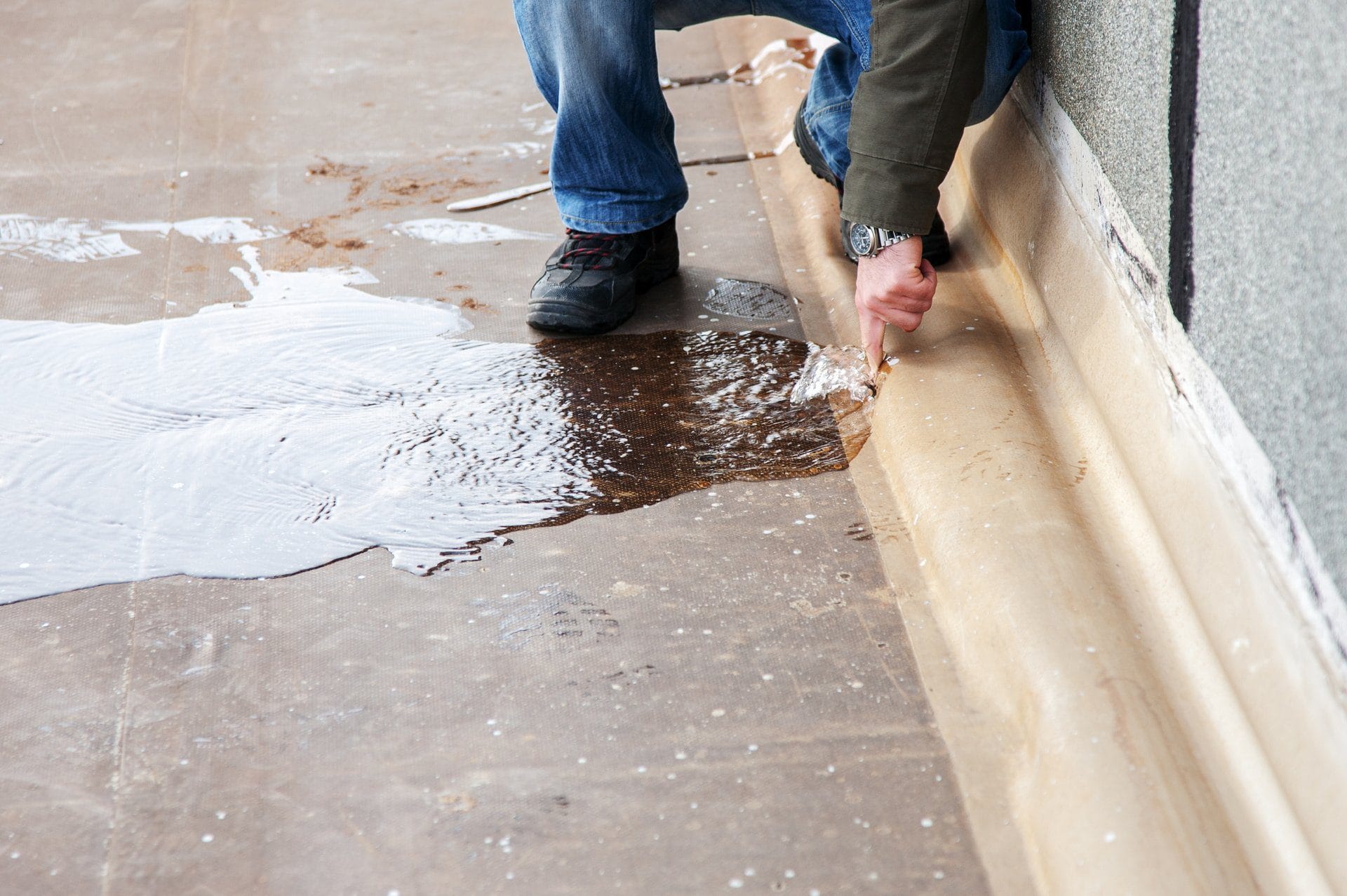
A slab leak is one of those hidden plumbing problems that can quietly damage a property before you even realise there is an issue. Because the leak happens under a concrete slab, the signs are not always obvious at first. You may notice a damp patch on the floor, a warm spot underfoot, a musty smell, rising water bills or moisture appearing around walls and skirting boards.
For Melbourne homeowners, slab leaks should never be ignored. Water leaking beneath a concrete floor can affect flooring, walls, foundations and indoor air quality if it is left untreated. The good news is that modern leak detection methods can help locate the problem without unnecessary digging or major damage.
At Vic Leak Detection, we help homeowners and businesses across Melbourne identify hidden leaks, including leaks under concrete slabs, using non-invasive detection methods. If you suspect a leak under your floor, finding the source early can save time, money and stress.
What Is a Slab Leak?
A slab leak is a water leak that occurs in pipes located underneath or within a concrete slab foundation. Many homes have water pipes running beneath the floor, and when one of those pipes cracks, corrodes, bursts or separates, water can escape under the slab.
Because the pipe is hidden below the concrete, you may not see water straight away. Instead, the moisture may travel through the slab, flooring, walls or soil before becoming visible inside the property.
Slab leaks can affect different areas of the home, including living rooms, bathrooms, kitchens, laundries, hallways and garages. In some cases, the leak may be small and slow. In other cases, it may release enough water to cause noticeable dampness, floor damage or a sudden increase in your water bill.
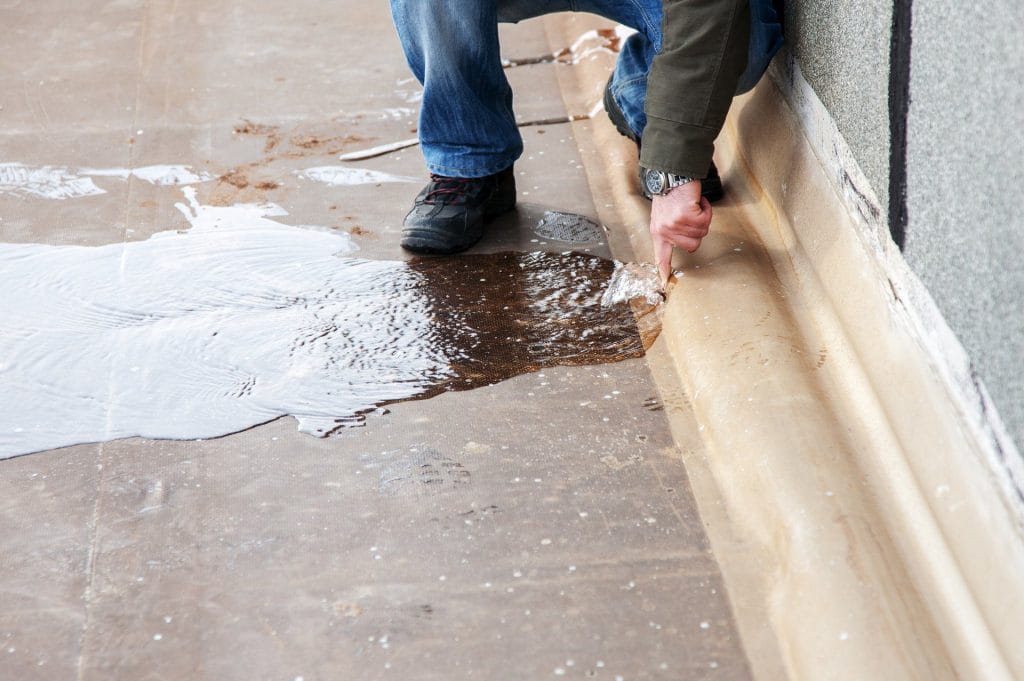
Common Causes of Slab Leaks
Slab leaks can happen for several reasons. Some are caused by ageing pipes, while others are linked to ground movement, poor installation or water pressure issues.
| Cause | How It Can Lead to a Slab Leak |
|---|---|
| Pipe corrosion | Older pipes can weaken over time and develop small holes or cracks |
| Ground movement | Soil movement can place pressure on pipes beneath the slab |
| Poor pipe installation | Pipes that were not fitted correctly may become damaged or stressed |
| High water pressure | Excess pressure can put strain on pipe joints and weak points |
| Abrasion | Pipes may rub against concrete, gravel or other hard surfaces over time |
| Tree root pressure | Roots can disturb the ground and affect underground pipework |
| Building movement | Shifting foundations can cause pipes to crack or separate |
In Melbourne, changes in soil conditions, older plumbing systems and renovation work can all contribute to hidden leaks under floors. This is why professional testing is important before assuming the problem is only surface dampness or rising damp.
Warning Signs You May Have a Slab Leak
A slab leak is not always easy to spot, but there are warning signs that something may be wrong. Some signs appear suddenly, while others slowly become more noticeable over time.
Common slab leak signs include:
| Warning Sign | What It May Mean |
|---|---|
| Warm or hot spots on the floor | A hot water pipe may be leaking under the slab |
| Damp carpet or flooring | Water may be rising through the floor or spreading beneath it |
| Musty smells | Moisture may be trapped under flooring or inside walls |
| Mould growth | Ongoing moisture can create conditions for mould |
| Higher water bills | Water may be escaping from a hidden pipe |
| Sound of running water | A pipe may be leaking even when taps are off |
| Low water pressure | Water may be escaping before it reaches fixtures |
| Cracks in flooring or walls | Long-term moisture or movement may be affecting the property |
| Damp skirting boards | Moisture may be travelling from the slab into wall edges |
One sign by itself does not always confirm a slab leak. However, if you notice several of these signs together, it is worth getting the property inspected.
Why Slab Leaks Should Not Be Ignored
A slab leak may start small, but it can become a much bigger problem if it is left untreated. Since the leak is hidden, water can continue escaping beneath the floor without being noticed.
Over time, a slab leak can cause damage to flooring, carpets, timber, plaster, skirting boards and nearby walls. Moisture can also create mould, bad odours and unhealthy indoor conditions. If the leak affects the soil beneath the slab, it may contribute to movement or instability around the foundation.
There is also the cost of wasted water. A hidden leak can increase your water bill significantly, especially if it continues for weeks or months.
The longer the leak remains hidden, the more difficult and expensive the repair may become. Early detection helps limit damage and gives you clearer options for repair.
Can a Slab Leak Look Like Rising Damp?
Yes, a slab leak can sometimes look like rising damp. This is one of the reasons damp walls and wet floors should be properly checked before repairs begin.
Rising damp happens when moisture from the ground moves upward through walls, bricks, concrete or mortar. A slab leak, on the other hand, comes from a leaking pipe under or within the concrete floor.
The problem is that both issues can cause similar signs, such as damp skirting boards, peeling paint, musty smells, wet floors, mould and moisture near the bottom of walls.
For example, if a pipe leaks beneath the slab, the water may travel to the edge of the room and appear at the base of a wall. This can easily be mistaken for rising damp. Treating the wall without finding the leak will not fix the real problem.
That is why professional leak detection is important before starting damp repairs, waterproofing or repainting.
How Vic Leak Detection Finds Slab Leaks Without Major Damage
At Vic Leak Detection, we use non-invasive leak detection methods to help locate hidden leaks across Melbourne. This means the team can investigate the source of the leak without unnecessary floor removal, digging or damage.
Depending on the situation, slab leak detection may involve moisture testing, acoustic leak detection, thermal imaging, pressure testing and other specialist equipment. These methods help identify where water may be escaping and where further investigation or repair may be needed.
The goal is to find the leak accurately before any major repair work begins. This can help reduce guesswork, avoid unnecessary damage and make the repair process more efficient.
Professional slab leak detection is especially useful when:
| Situation | Why Detection Helps |
|---|---|
| The leak is under concrete | The pipe cannot be seen without testing |
| The damp area is spreading | Moisture may be travelling from another location |
| The water bill has increased | A hidden leak may be wasting water |
| There is a hot spot on the floor | A hot water pipe may be leaking |
| You are planning repairs | The source should be confirmed first |
| Rising damp is suspected | A leak should be ruled out before damp treatment |
When to Call a Leak Detection Specialist
You should call a leak detection specialist if you suspect water is leaking under your floor, behind a wall or beneath a concrete slab. It is especially important to act quickly if the signs are getting worse or if you cannot find an obvious source.
Call Vic Leak Detection if you notice damp flooring, warm floor spots, unexplained mould, musty smells, wet skirting boards, water stains, low water pressure or a sudden increase in your water bill.
You should also book an inspection before starting major repairs for rising damp, flooring replacement, plaster repairs or waterproofing. If there is an active leak under the slab, cosmetic repairs will not last.
Final Thoughts
Slab leaks can be difficult to see, but they should never be ignored. A hidden leak under a concrete slab can damage floors, walls, skirting boards and foundations if it is left untreated.
The most common warning signs include damp floors, warm spots, musty smells, mould, low water pressure and rising water bills. In some cases, a slab leak can even look like rising damp, which makes proper testing even more important.
If you suspect a slab leak in your Melbourne property, Vic Leak Detection can help locate the source with non-invasive leak detection methods before major damage occurs.
FAQs
What is the most common sign of a slab leak?
One of the most common signs is unexplained moisture on or near the floor. Other warning signs include warm floor spots, damp carpet, musty smells, mould, low water pressure and higher water bills.
Can a slab leak cause a high water bill?
Yes. If water is constantly escaping from a hidden pipe under the slab, your water usage may increase even if your normal habits have not changed.
Is a warm spot on the floor a sign of a slab leak?
It can be. A warm or hot spot on the floor may indicate a leaking hot water pipe under the concrete slab. It should be checked by a leak detection specialist.
Can a slab leak damage walls?
Yes. Water from a slab leak can travel through flooring and into wall edges, causing damp skirting boards, peeling paint, mould or plaster damage.
Can slab leaks be found without digging?
Yes. Professional leak detection specialists use non-invasive methods such as acoustic testing, thermal imaging and moisture testing to help locate leaks before any major digging or repair work begins.
Is a slab leak the same as rising damp?
No. A slab leak comes from a leaking pipe under or inside the concrete slab. Rising damp comes from ground moisture moving upward through walls. However, the signs can look similar.
Who should I call for slab leak detection in Melbourne?
For suspected slab leaks in Melbourne, contact Vic Leak Detection. The team can help locate hidden leaks under concrete slabs and advise on the next steps before repairs begin.