
TL;DR
The signs of a hidden water leak include unexplained rises in your water bill, a moving meter with everything turned off, damp or mouldy smells, mould in unexpected places, soft or warped flooring, water stains on ceilings or walls, peeling paint, low water pressure, the sound of running water when taps are off, and wet patches in the yard. If you notice more than one, get a professional inspection before the damage gets worse.
In This Guide
Hidden water leaks are often more costly than obvious ones. A burst pipe that floods a room gets dealt with immediately. A slow leak inside a wall, under a concrete slab, or beneath your yard can go unnoticed for months, quietly damaging flooring, walls, foundations, and indoor air quality while your water bill creeps up week by week.
Knowing the signs of a hidden water leak is the difference between catching a problem early and discovering it once structural damage has already set in. This guide covers the 10 most common warning signs Melbourne homeowners should know, with clear guidance on what each one means and when to act.
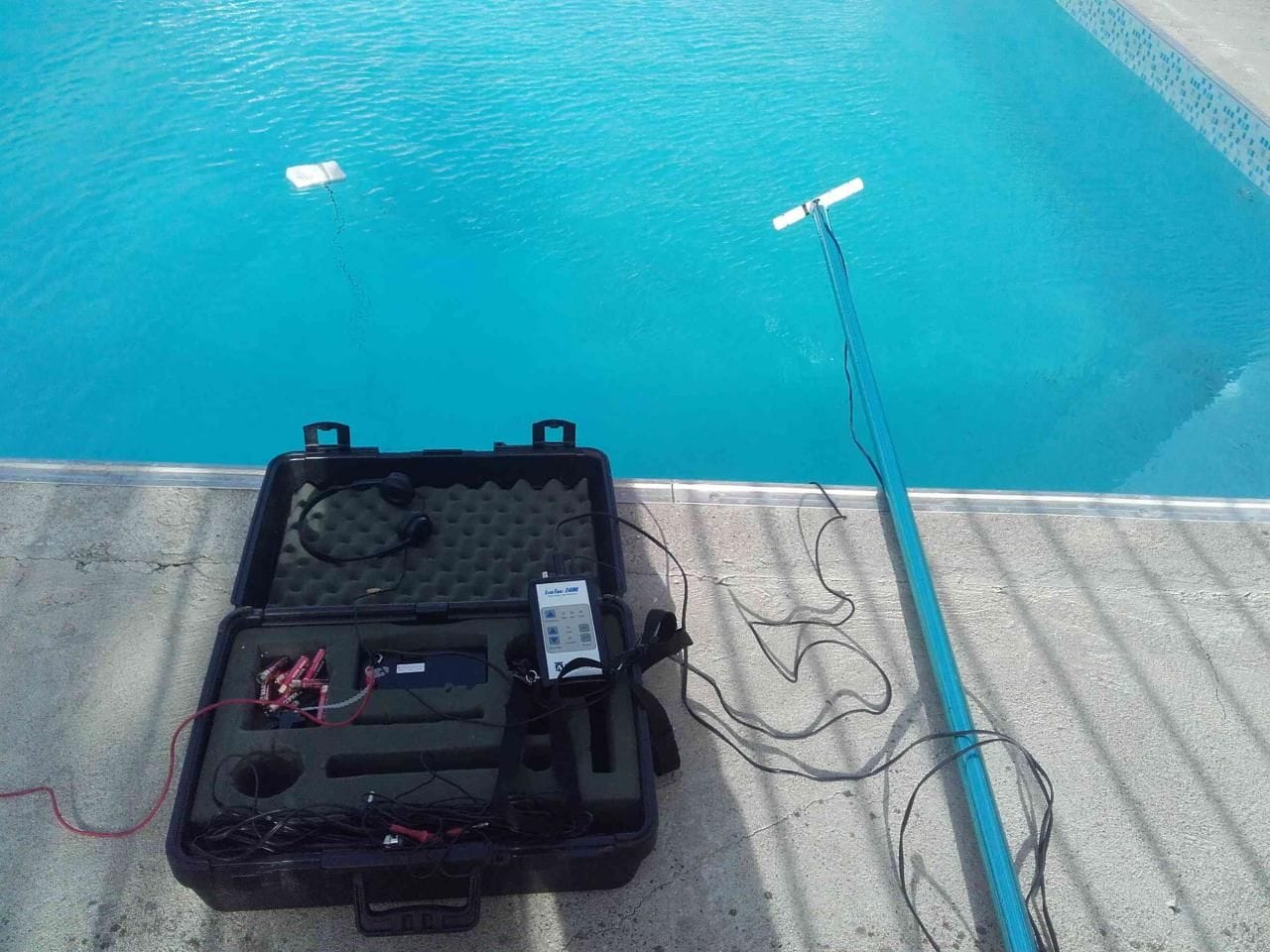
VIC Leak Detection uses acoustic sensors, thermal imaging, and pressure testing to locate hidden leaks without damage to your property.
Why Hidden Leaks Are More Dangerous Than Obvious Ones
A visible leak gets fixed. A hidden one gets ignored, usually not by choice, but because the signs are easy to misread or attribute to something else. Over time, hidden leaks can cause damage to flooring, subfloor timber, plaster, wall cavities, insulation, skirting boards, and concrete slab foundations. Mould growth in persistently damp spaces creates health risks for occupants. And the longer the leak continues, the more expensive the eventual repair.
The 10 Warning Signs You Might Have a Hidden Leak
Sign 1: Your Water Bill Has Increased for No Clear Reason
A sudden or gradual increase in your water bill, without any change in your household usage habits, is one of the clearest indicators of a hidden leak. Even a small pipe leak at 6 litres per hour amounts to 144 litres a day wasted. Compare your current bills against the same period last year.
Sign 2: The Water Meter Moves When Nothing Is Running
Turn off all taps, appliances, and water outlets in the property, then watch the meter. If the dial or flow indicator is still moving, water is escaping somewhere in the system. For a full walkthrough of this test, see our article on understanding causes of pipe water leakage.
Sign 3: Damp or Mouldy Smells in Dry Rooms
If you can smell a distinctive damp, musty odour in a room without obvious moisture sources, there is likely hidden moisture present. Leaks inside wall cavities, under flooring, or beneath slabs create exactly the dark, wet conditions where mould thrives. The smell often appears long before any visible staining.
Sign 4: Mould Appearing in Unexpected Places
Mould on grout lines in a bathroom is expected. Mould on a bedroom wall, in a hallway, or behind furniture in a dry room is a red flag. In Melbourne’s older Victorian-era homes, deteriorating lead or copper pipework inside original wall cavities is a particularly common source of hidden moisture.
Sign 5: Soft, Spongy, or Warped Flooring
If an area of your floor feels softer underfoot, bounces slightly when you walk on it, or has started to warp or cup at the joins, moisture is almost certainly the cause. This is a common sign of a pipe leak beneath the floor, whether under a subfloor, inside a concrete slab, or from a slow overflow behind a bath or shower base.
Sign 6: Water Stains on Ceilings or Walls
Yellow or brown water stains on ceilings and walls are among the most recognisable signs of a hidden leak. They often appear as irregular rings or spreading patches. The actual leak source may be well away from the visible stain, particularly in ceiling cavities where water can travel several metres from the entry point. For more on what causes damp walls, see our post on rising damp vs. water leak.
Sign 7: Peeling Paint or Bubbling Plaster
Paint peeling away from the surface and plaster that is blistering or developing a soft, spongy texture are both signs of prolonged moisture exposure inside the wall. When a pipe leaks slowly inside a wall cavity, the moisture gradually saturates the plasterboard or brick, working its way to the painted surface from behind.
Sign 8: Low Water Pressure Without an Obvious Cause
A gradual drop in water pressure throughout your home, particularly when nothing has changed with your street supply, can indicate water is escaping from a pipe before it reaches your taps. This is especially relevant for underground supply lines where a crack or joint failure allows water to dissipate into the surrounding soil.
Sign 9: The Sound of Running Water When Taps Are Off
If you can hear the faint sound of running or dripping water when all taps and appliances are off, water is escaping somewhere in the system. This sound may be more audible at night when background noise is low. Even a faint, intermittent sound is worth investigating.
Sign 10: Unusually Green or Wet Patches in the Yard
A section of lawn that is consistently greener, lusher, or wetter than the surrounding area, without a corresponding irrigation source, points to an underground water leak. Melbourne properties with clay soils are particularly susceptible. For underground leak detection in Melbourne, acoustic and tracer gas methods locate the exact point without excavating the entire yard.
Spotted more than one of these signs? It is worth getting a professional assessment before the damage gets worse. VIC Leak Detection locates hidden leaks using non-invasive technology across all Melbourne suburbs. No guessing. No unnecessary damage.
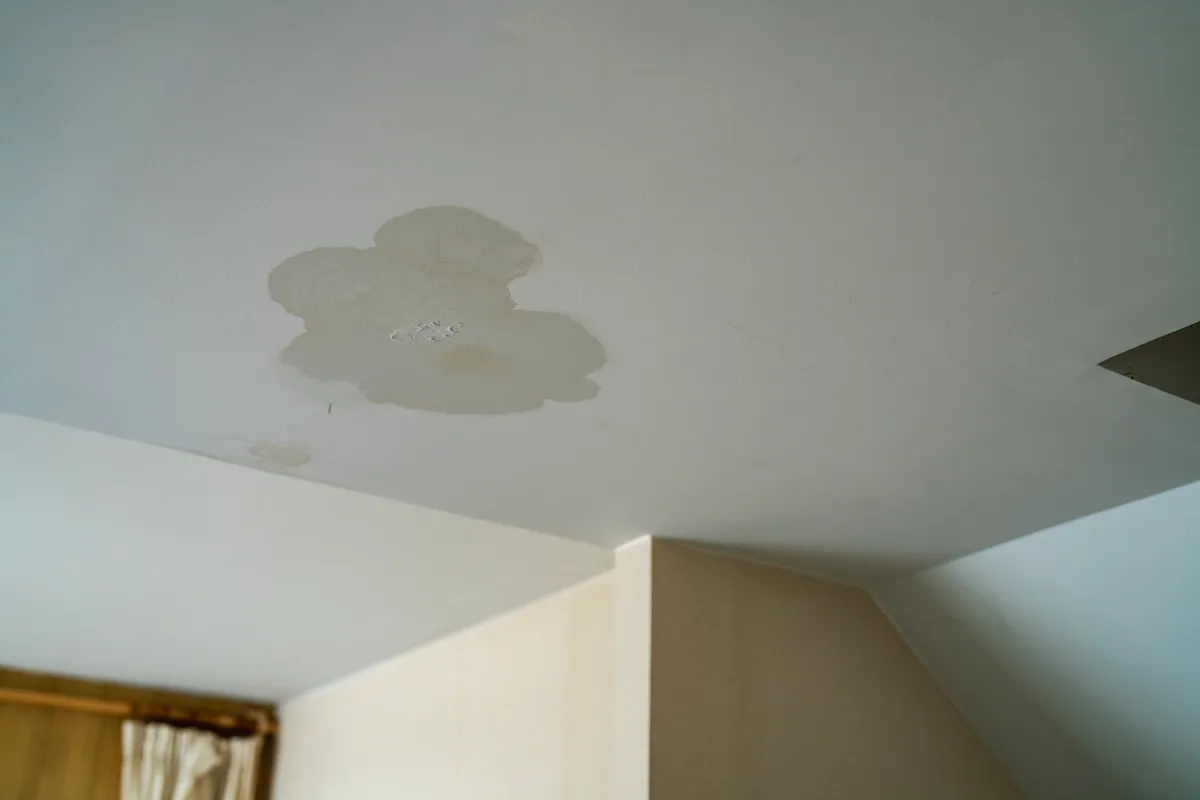
Water stains and damp patches are classic warning signs of a hidden leak that needs professional investigation.
Which Signs Point to Which Type of Leak?
| Warning Sign | Most Likely Leak Type | Detection Method |
|---|---|---|
| Rising water bill, moving meter | Any active leak anywhere in the system | Meter test, then acoustic or pressure survey |
| Warm spots or damp flooring | Slab leak (hot water pipe under concrete) | Thermal imaging, acoustic detection |
| Water stains on ceiling | Roof leak or upstairs pipe leak | Thermal imaging, moisture meter |
| Mould or peeling paint on internal wall | Pipe leak inside the wall cavity | Thermal imaging, acoustic detection |
| Sound of running water | Pipe leak in wall, floor, or slab | Acoustic listening equipment |
| Low water pressure (whole property) | Underground supply line leak | Pressure testing, acoustic detection |
| Wet or green patches in yard | Underground main or irrigation line | Acoustic detection, tracer gas |
| Mould in unexpected rooms, musty smell | Slow leak creating ongoing moisture | Moisture meter, thermal imaging |
Melbourne-Specific Risk Factors
- Clay soils: Melbourne’s expansive clay shifts significantly with rainfall and dry spells, placing pressure on underground pipes and slab foundations.
- Victorian-era plumbing: Many inner-suburb homes (Brunswick, Fitzroy, Richmond, Northcote) still have original lead or early copper pipework well beyond its design life.
- Slab-on-ground construction: Post-war homes across Melbourne’s suburbs were built with pipes embedded in or beneath the concrete slab. See our post on slab leaks in Melbourne homes for more detail.
- Renovation disturbance: Pipes frequently disturbed during kitchen, bathroom, and extension works are a common cause of hidden leaks in recently updated homes.
What to Do If You Notice These Signs
- Check your water meter. With all taps and appliances off, watch the meter for two to five minutes. If it is moving, you have an active leak.
- Do not start pulling apart walls or floors. You are unlikely to find the source without specialist equipment, and you may cause more damage.
- Call a leak detection specialist. VIC Leak Detection uses acoustic sensors, thermal imaging, and pressure testing to locate the leak precisely before any repair work is recommended.
- Do not delay if you suspect a slab leak. Water escaping beneath a concrete slab can undermine the foundation and cause settlement damage to the structure.
- Consider your insurer. If the damage is significant, notify your insurer before repairs begin. A professional detection report supports a water leak insurance claim by providing independent evidence of the leak source.
Plumber or Leak Detection Specialist: Who to Call First
| Situation | Who to Call First | Why |
|---|---|---|
| Visible burst pipe or active flooding | Plumber | The source is known; repair can begin immediately |
| Rising water bill with no visible leak | Leak detection specialist | The source needs to be located before a plumber can repair it |
| Damp smell, water stain, or mould with unknown source | Leak detection specialist | Specialist equipment identifies the source without destructive investigation |
| Warm spot on floor or suspected slab leak | Leak detection specialist | Acoustic and thermal detection locates the exact pipe before concrete is cut |
| Wet patches in yard | Leak detection specialist | Acoustic or tracer gas detection finds the exact point; avoids digging the whole yard |
| Insurance claim in progress | Leak detection specialist | Written report from a specialist is required by most assessors as supporting evidence |
Why Melbourne Homeowners Choose VIC Leak Detection
| What Sets Us Apart | What It Means For You |
|---|---|
| Melbourne Specialists | Experienced with Victorian-era homes, slab construction, and clay-soil ground conditions specific to Melbourne’s suburbs. |
| Advanced Technology | Acoustic sensors, thermal imaging, pressure testing, and tracer gas detection. We use the right tool for each situation. |
| Non-Invasive | We locate the leak before recommending any repair. No cutting, no digging, no guessing until we know exactly where the problem is. |
| Guaranteed | We find the leak or your money back. Upfront pricing. Licensed, fully insured technicians. Written report provided for every job. |
FAQ: Hidden Water Leaks in Melbourne Homes
How do I know if I have a hidden water leak?
The most reliable first check is your water meter. With all taps and appliances off, watch the meter for a few minutes. If it is still moving, water is escaping somewhere in the system. Other indicators include an unexplained rise in your water bill, damp or mouldy smells, water stains on walls or ceilings, soft or warped flooring, and low water pressure with no obvious cause.
Can a hidden leak cause mould?
Yes. A slow pipe leak inside a wall cavity, under a floor, or beneath a slab creates persistent damp conditions where mould can establish and spread, often before any visible staining or dripping appears. Mould in unusual locations is a strong indicator of hidden moisture and should be investigated.
How do you detect water leaks in walls?
Professional leak detection specialists use thermal imaging cameras, acoustic listening equipment, and moisture meters to detect water leaks in walls without opening them up. Together, these tools allow precise leak location before any wall is opened.
How long can a hidden leak go undetected?
A slow hidden leak can go undetected for months or even years, particularly when it is inside a wall cavity, under a concrete slab, or buried underground. Over time, persistent moisture causes progressive damage to timber framing, plasterboard, flooring, insulation, and concrete.
What does a hidden pipe leak sound like?
A hidden pipe leak may produce a faint hissing, rushing, or dripping sound, usually most audible at night when background noise is low. In some cases the sound is too quiet to hear with the naked ear, which is why professional acoustic listening equipment is used to detect vibrations that would otherwise be inaudible.
Can a hidden water leak cause structural damage?
Yes. Over time, water from a hidden leak can compromise timber framing, cause concrete slab movement, degrade insulation, and undermine foundations. Melbourne’s clay soil conditions amplify this risk because clay expands and contracts significantly with moisture changes. Early detection significantly limits the structural impact.
Should I call a plumber or a leak detection specialist?
If the source of the leak is obvious, call a plumber to repair it. If you do not know where the leak is, call a leak detection specialist first. Plumbers repair pipes; leak detection specialists locate them. VIC Leak Detection pinpoints the exact location before any repair work begins, saving time and unnecessary damage.
Think You Have a Hidden Leak?
Do not wait for the damage to get worse. VIC Leak Detection locates hidden water leaks across all Melbourne suburbs using non-invasive technology. Same-day response available. No unnecessary damage to your property. We find the leak or your money back. Serving all Melbourne suburbs.
Call 1300 583 595
Book a Free Assessment
We find the leak or your money back. Upfront pricing. No hidden fees.